
Inclusive Design in Tech: Why Accessibility is the Future of UX
- prajapatidhruvil13
- Aug 23, 2025
- 2 min read
The future of technology isn’t just smart—it’s inclusive. Accessibility is no longer optional; it’s the foundation of great user experience (UX). Businesses that embrace inclusive design are not only more ethical but also more competitive in today’s digital-first world.

Introduction: What is Inclusive Design?
Inclusive design means building digital products—websites, apps, software—that can be used by everyone, regardless of ability, age, or background.
It’s not just about “designing for disabilities”—it’s about creating flexible, adaptable experiences that work for all users. Whether it’s adding captions for videos, ensuring color contrast for visibility, or simplifying layouts for clarity, inclusive design makes technology fair and accessible.

Why Accessibility Matters in UX
Accessibility is transforming from a compliance requirement into a core UX principle. Here’s why:
🌍 Reach More Users – Over 1 billion people worldwide live with disabilities.
⚡ Better Usability for All – Features like captions or voice navigation help everyone, not just those with disabilities.
🤝 Brand Trust & Reputation – Inclusive brands build stronger loyalty and engagement.





Examples of Inclusive Design in Tech
Here are a few real-world examples:
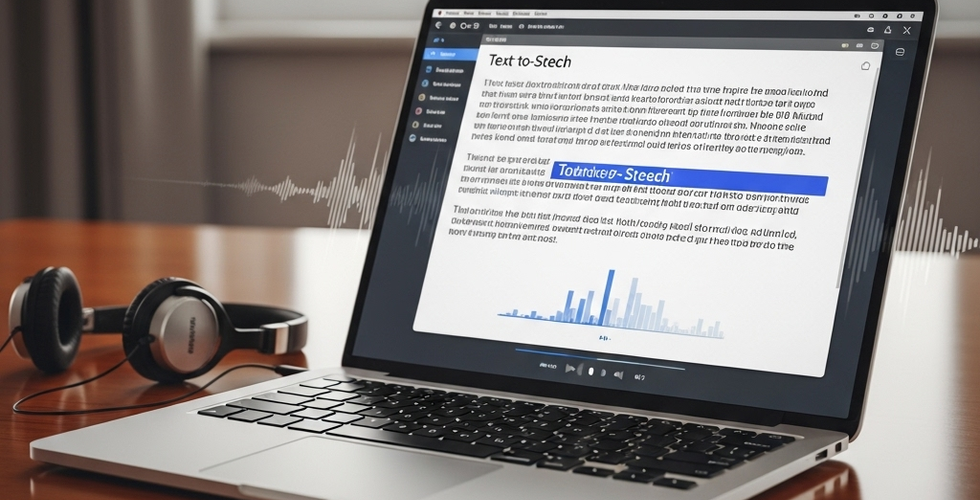
Screen Readers + Alt Text: Helps blind users navigate websites.
High Color Contrast: Ensures content is readable for visually impaired users.
Video Captions: Makes content accessible to deaf users and helps everyone in noisy environments.
Clean, Simple Layouts: Reduces cognitive overload for users with ADHD or dyslexia.






The Business Case for Accessibility
Accessibility isn’t just good ethics—it’s good business.
💡 Bigger Market: 15% of the world’s population has a disability.
🚀 SEO Boost: Google rewards accessible websites with better rankings.
📈 Engagement & Loyalty: Inclusive brands attract more customers and keep them longer.

The Future of UX = Inclusive UX
The next wave of digital experiences will be built on accessibility by default.
With AI-driven personalization, adaptive layouts, and natural interfaces like voice commands and gesture controls, inclusive design will become the new UX standard. The businesses that adopt it early will lead the way.

Conclusion: Accessibility is Not Optional
Accessibility is not a “feature” you add at the end—it’s the foundation of modern digital design.
Inclusive UX means creating products that everyone can enjoy. And in doing so, your brand doesn’t just meet regulations—you build trust, loyalty, and leadership in the digital era.
🚀 Ready to build digital experiences that are accessible, modern, and future-proof?👉
Work with us to design inclusive solutions that stand out.


Comments